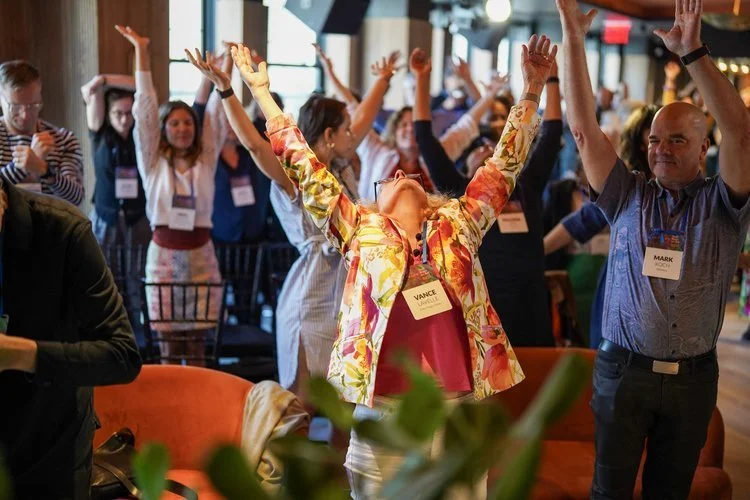
BrainMind Science Collective 2025
On March 21–23, 2025, in the Bay Area, the BrainMind Science Collective series united 150 scientists, innovators, and thought leaders working at the forefront of brain and mind sciences, alongside cross-disciplinary thinkers from AI, physics, and beyond.
The gathering was an "unconference", shaped not by a fixed agenda but by the collective energy and curiosity of the hand-picked participants. The format was open and unstructured, with ample space for spontaneity and creativity. Together, our diverse group of curious, accomplished attendees set the course, guiding discussions, leading breakout groups, and delivering 5-minute lightning talks. It was an intense, unpredictable, enlivening weekend--a living, breathing testament to curiosity and discovery.
While the unconference format encouraged open topic proposals, this inaugural gathering highlighted key themes: AI and brain science, vibrant brain aging, consciousness, cutting-edge neurotechnologies, contemplative neuroscience, and human flourishing. This was a space to leave orthodoxy and boundaries at the door, as together we questioned, learned, and reimagined the mind’s potential.
BrainMind gatherings are invitation-only. All participants are members of the BrainMind ecosystem and are carefully selected for potential contribution, influence, and intent. Apply below if you are interested in attending gatherings like this.
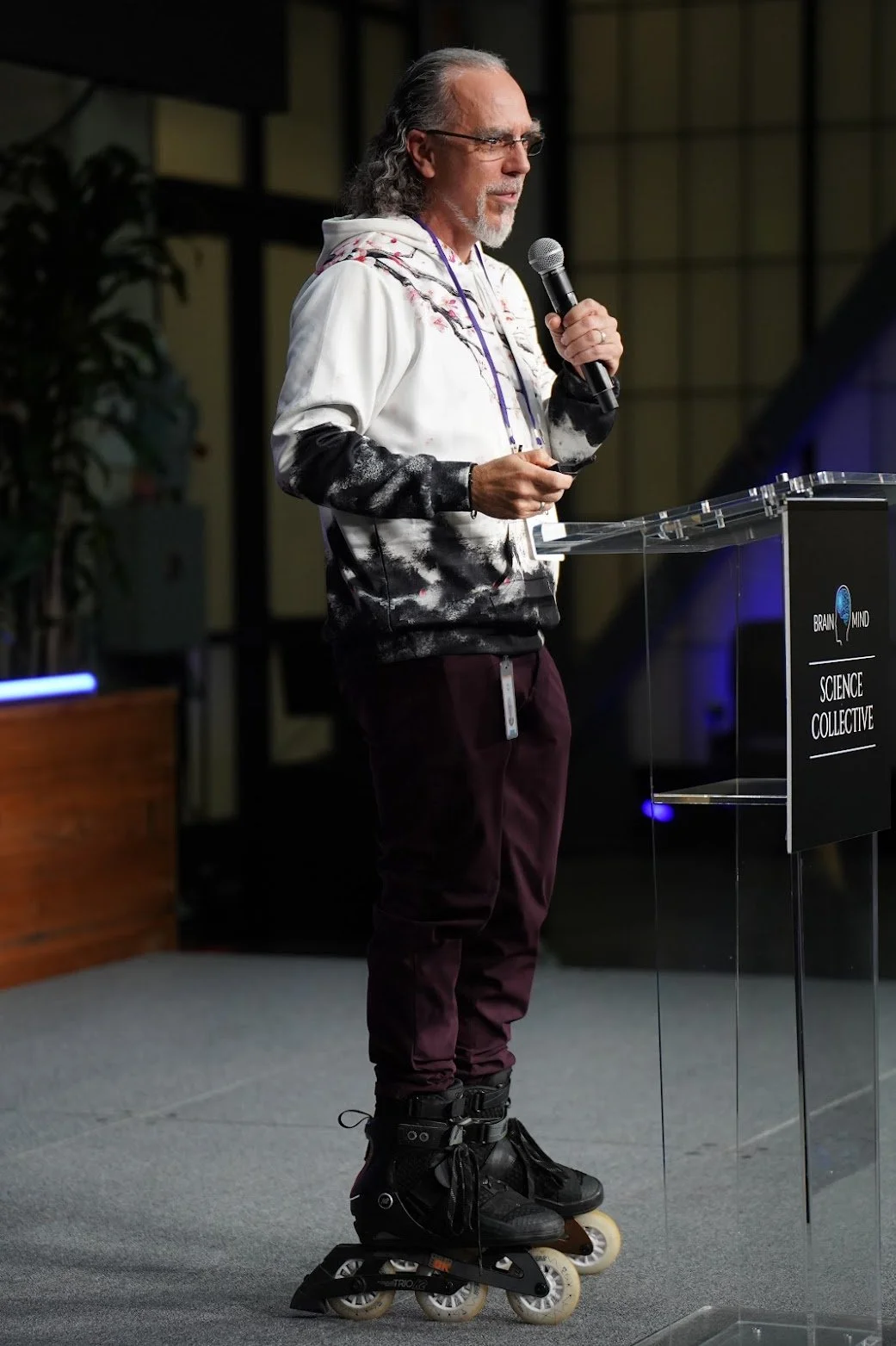
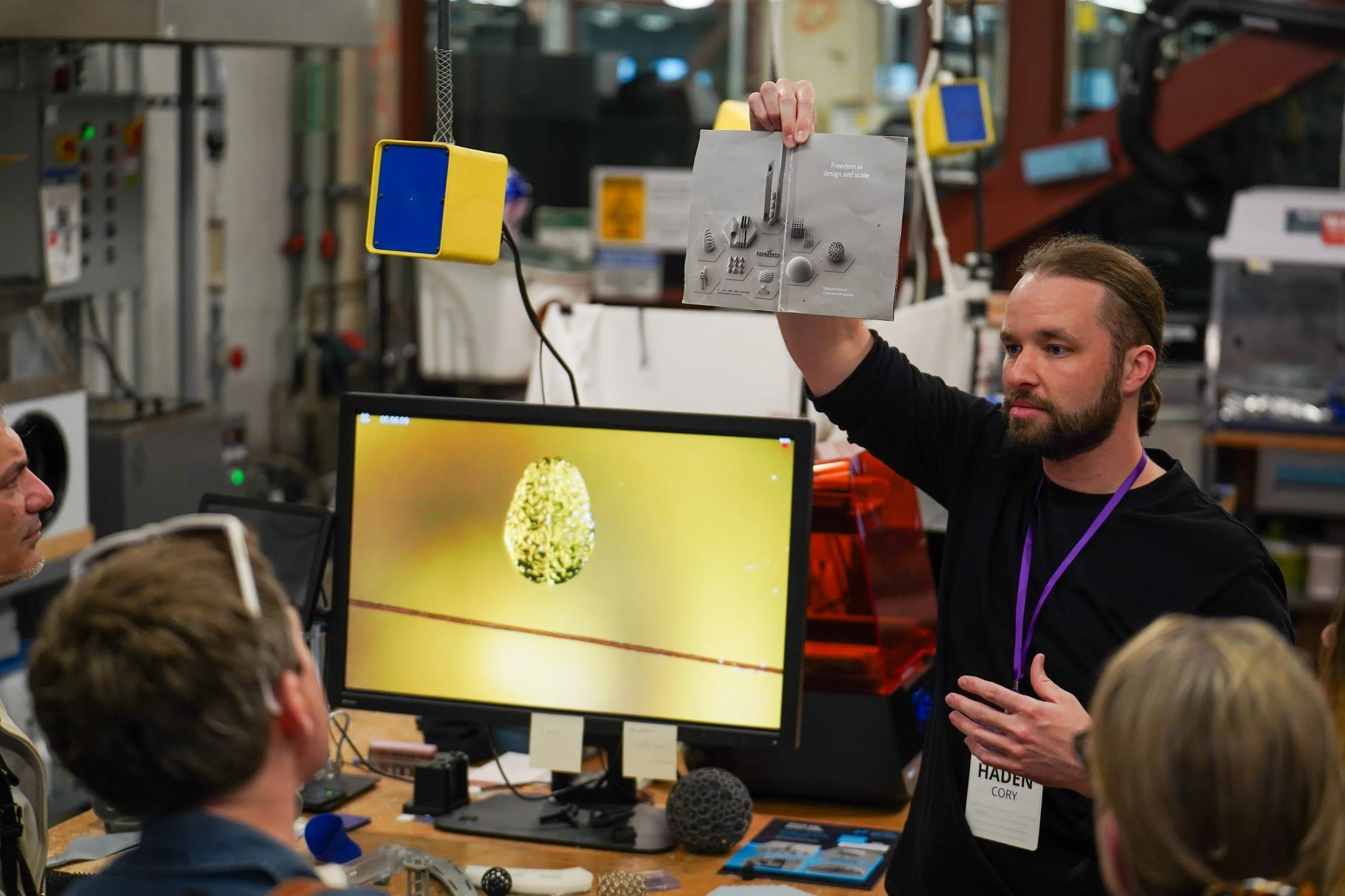
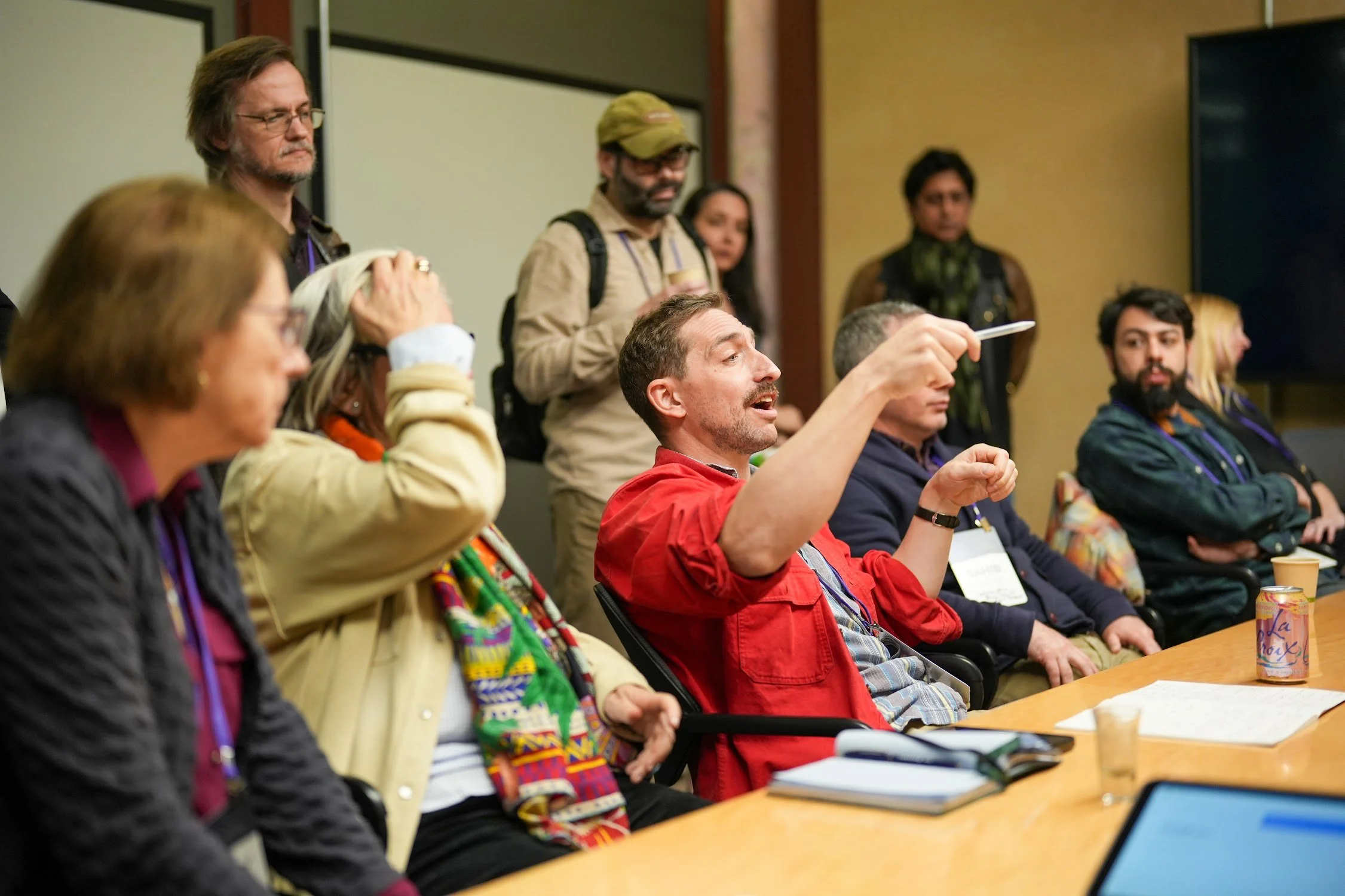
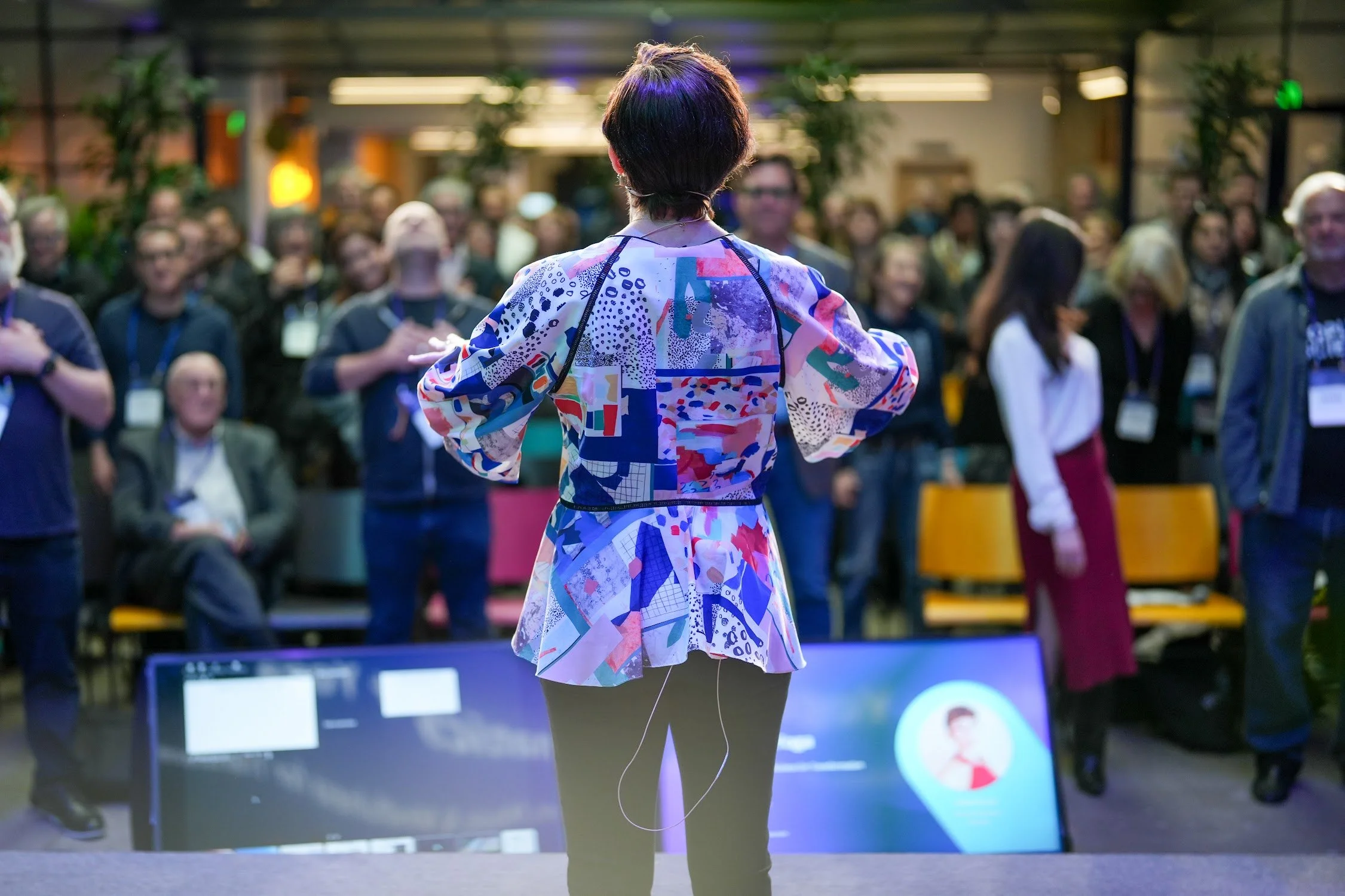
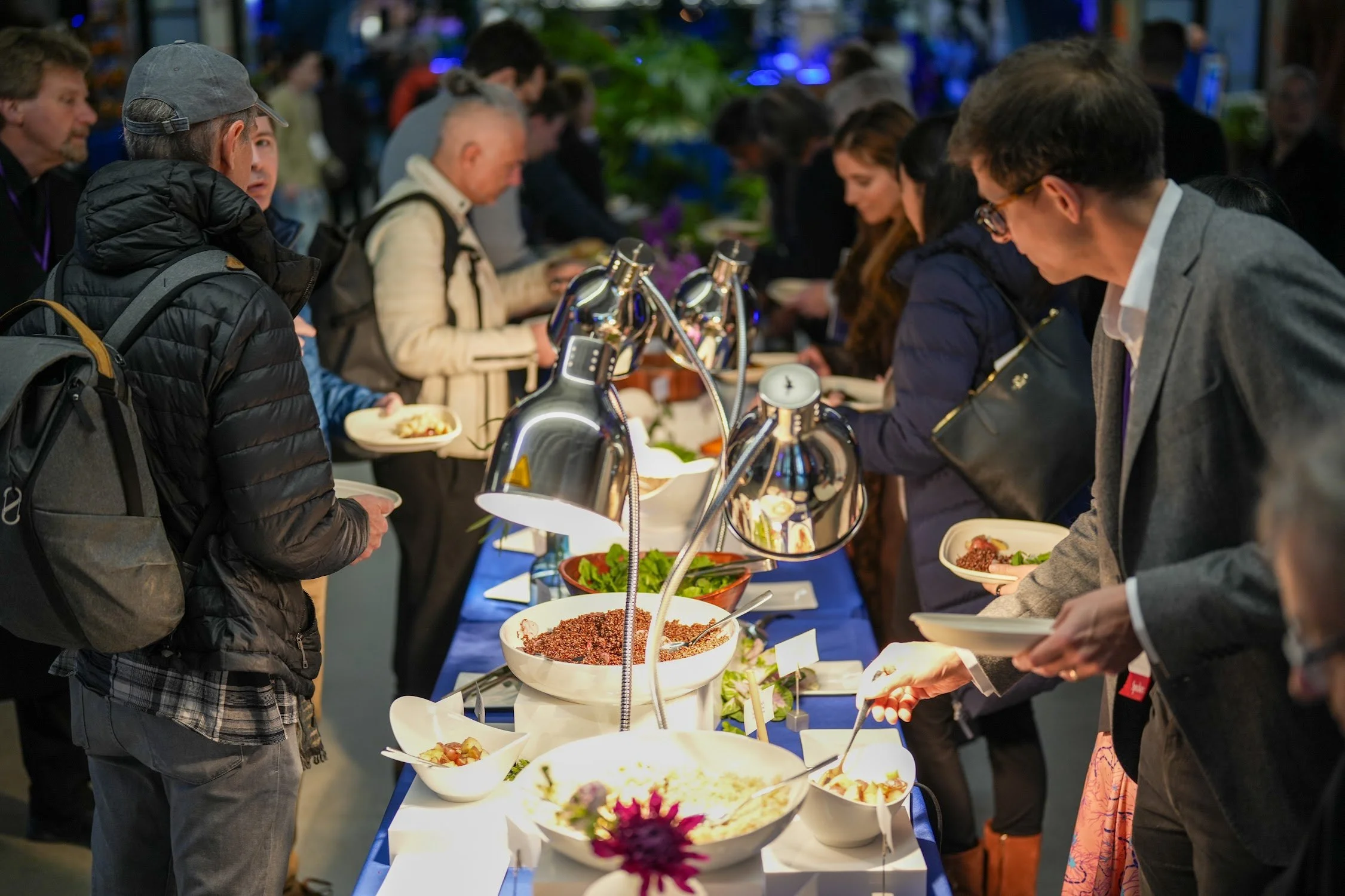
Memories from the BrainMind Science Collective
Learning:






Collaborating:




Experiencing:






Lightning Talk and Deep Dive Topics




Featuring

Ed Boyden is Y. Eva Tan Professor in Neurotechnology at MIT, a McGovern Institute Investigator, and professor of brain and cognitive sciences, media arts and sciences, and biological engineering at MIT. He is also an Investigator at the Howard Hughes Medical Institute. Boyden leads the Synthetic Neurobiology Group at MIT, which develops tools for analyzing and repairing complex biological systems, and applies them to repair the brain and to create biologically accurate computer simulations of the brain. He also co-directs the MIT Center for Neurobiological Engineering, which aims to develop new tools to accelerate neuroscience progress, and the K. Lisa Yang Center for Bionics, which pioneers transformational bionic interventions across a broad range of conditions affecting the body and mind. He is a faculty member of the MIT Center for Environmental Health Sciences, Computational & Systems Biology Initiative, and Koch Institute.
Boyden received his PhD in neurosciences from Stanford University in the labs of Jennifer Raymond and Richard Tsien. He started college at age 14, studying chemistry at the University of North Texas with Paul Braterman, and went on to earn three degrees from MIT in physics, electrical engineering and computer science, by age 19. Boyden joined the MIT faculty in 2007 and was named a McGovern Investigator in 2010.
Ed Boyden, MIT
Featured Speaker

Dr. Keltner is one of the world’s foremost emotion scientists.
He is a professor of psychology at UC Berkeley and the director of the Greater Good Science Center. He has over 200 scientific publications and six books, including Born to Be Good, The Compassionate Instinct, and The Power Paradox. He has written for many popular outlets, from The New York Times to Slate. He was also the scientific advisor behind Pixar’s Inside Out, is involved with the education of health care providers and judges, and has consulted extensively for Google, Apple, and Pinterest, on issues related to emotion and well-being.
Dacher Keltner, UC Berkeley
Featured Speaker

Combining a passion for music with scientific curiosity, Professor Viskontas works at the intersection of art and science. She has published more than 50 original papers and chapters related to the neural basis of memory and creativity. Her scientific work has been featured in Oliver Sacks’ book Musicophilia, Nautilus, Nature: Science Careers, and Discover Magazine. She has also written for MotherJones.com, American Scientist, Vitriol Magazine, and other publications. Her first book, How Music Can Make You Better, was published by Chronicle Books in April, 2019, and within a week was the best-selling music appreciation book on Amazon. She also serves as the Director of Communications for the Sound Health Network, an initiative promoting research and public awareness of the impact of music on health and well-being.
She often gives keynote talks, for organizations as diverse as Genentech, the Dallas Symphony, SXSW, TEDx and Ogilvy, along with frequent invited talks at conferences and academic institutions. Her 24-lecture course Essential Scientific Concepts was released by The Great Courses in 2014. Her second course, Brain Myths Exploded: Lessons from Neuroscience, based on a class she taught at USF, was released in early 2017 and hit #1 on the nonfiction bestseller list at Audible.com. Her third course, How Digital Technology Shapes Us was also based on a class she teaches at USF, and was released in 2020. Her forthcoming course, The Creative Brain, is slated to be released on the Wondrium platform in 2022. Dr. Viskontas's creative work includes stage directing opera. She is the Creative Director of Pasadena Opera, where she directed The Man Who Mistook his Wife for a Hat, a chamber opera based on the famous case study written by Oliver Sacks. Other directing credits include Katya Kabanova with West Edge Opera at Cal Shakes in Orinda in 2021.
Indre Viskontas, University of San Francisco
Music Curator
Startup Salon Speaker Pitches
Casey H. Halpern, M.D., is Professor of Neurosurgery and Division Head of Stereotactic and Functional Neurosurgery at the University of Pennsylvania. Dr. Halpern's clinical focus is in the treatment of movement disorders such as Parkinson's, tremor, dystonia, and Tourette, as well as epilepsy, and psychiatric disease. He has a particular interest in preclinical studies and developing clinical trials to expand indications for deep brain stimulation and other novel brain surgical therapies. He is examining the role of targeting the reward circuitry of the brain with focused electrical stimulation, studies that could lead to possible treatment of neurologic and psychiatric conditions as well as obesity.
Casey Halpern - Penn Medicine,
SynchNeuro, Inc
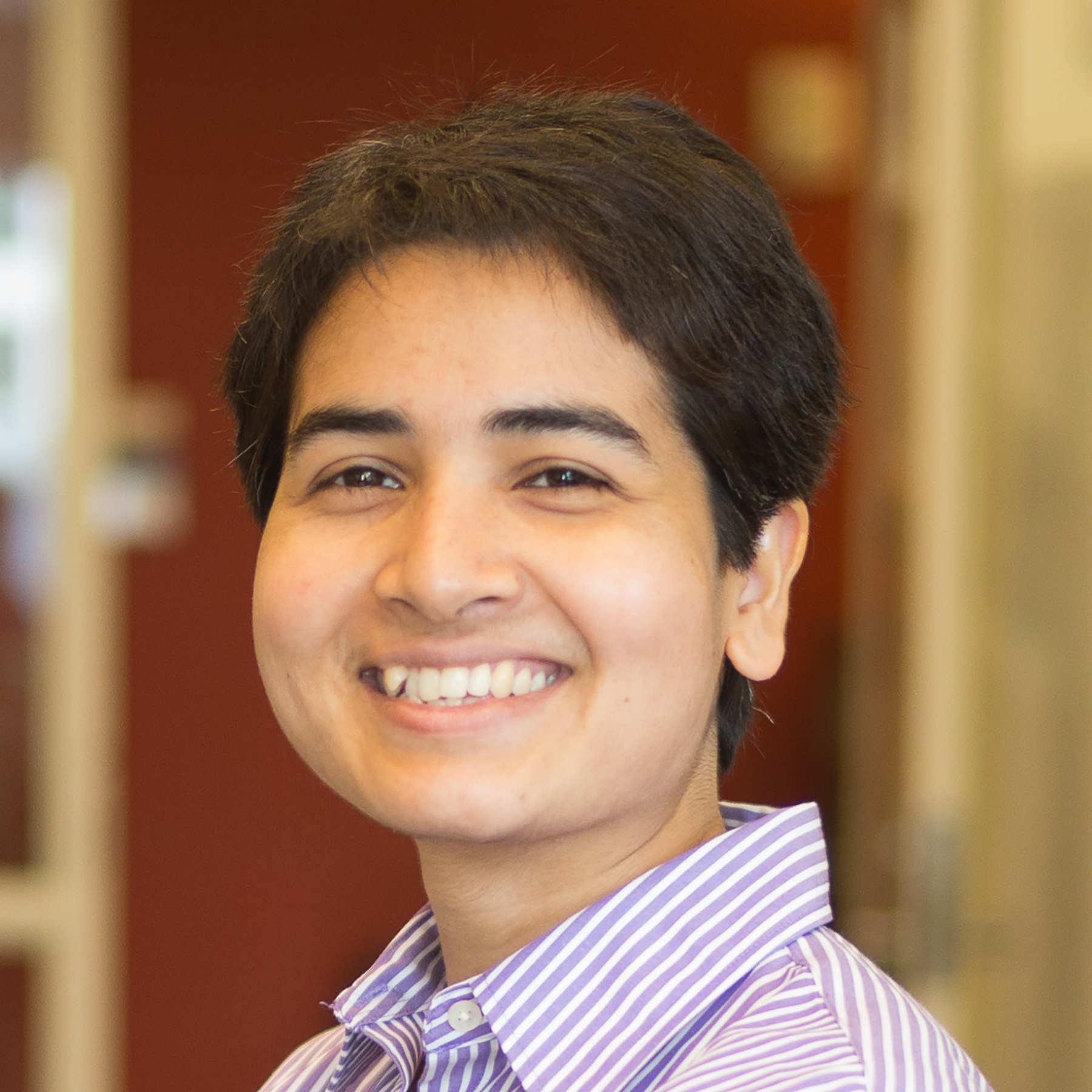
Deblina Sarkar - MIT, Cahira
Technologies
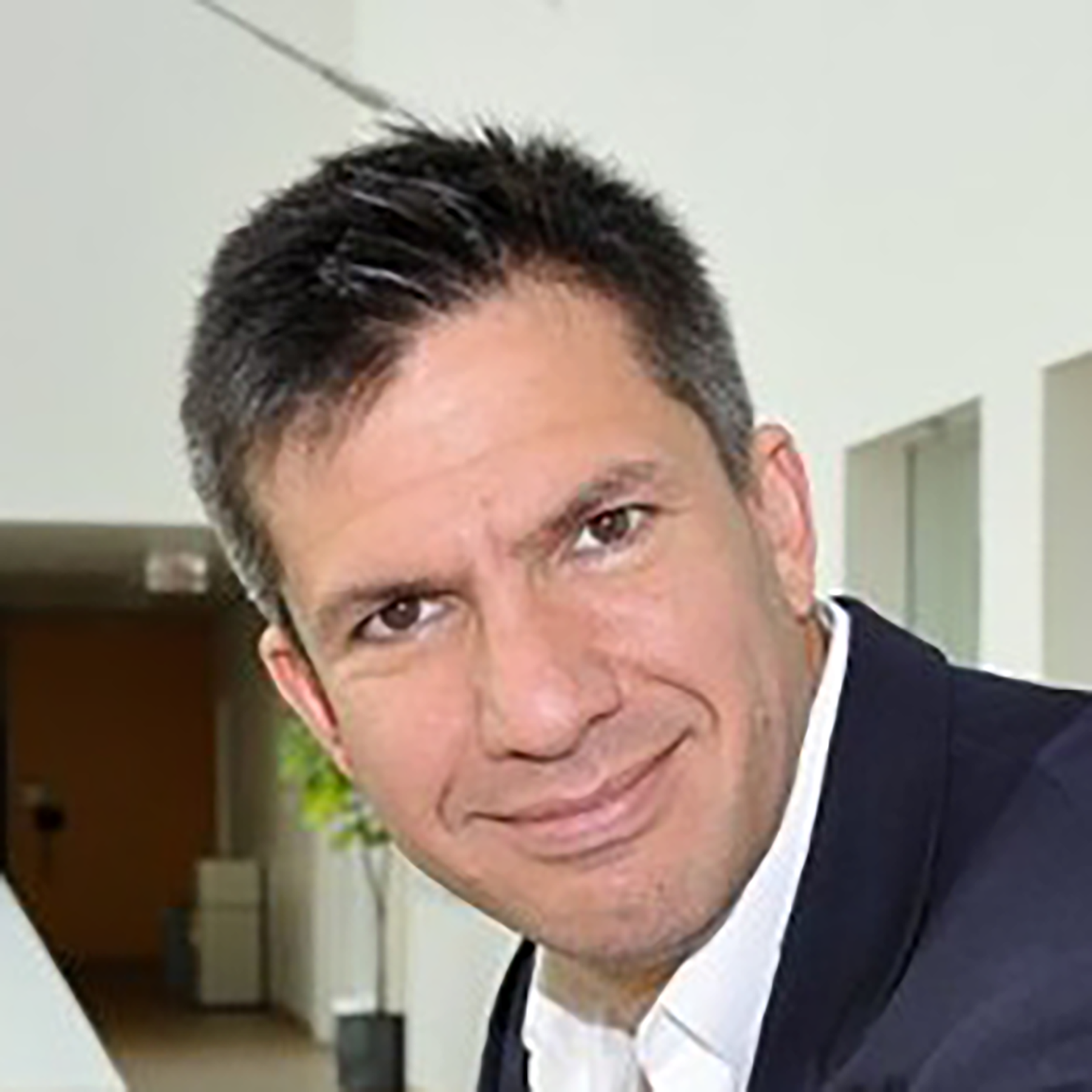
The Kreiman laboratory focuses on elucidating the neural circuits and computational mechanisms underlying visual intelligence. The lab combines invasive neurophysiological recordings in the human brain, behavioral experiments and computational modeling to understand the neuronal circuits, algorithms and computations performed by the visual system. Examples of recent investigations include deciphering the algorithms to make inferences from partial information (pattern completion), transformation-invariant mechanism for visual recognition, decision-making, reinforcement learning, and the formation of episodic memories.
These research efforts will help alleviate prevalent cognitive disorders, which afflict millions and have proven resilient to other approaches. Furthermore, these efforts will help develop biophysically-inspired computational approaches to artificial intelligence.
Gabriel Kreiman - Harvard, Memorious
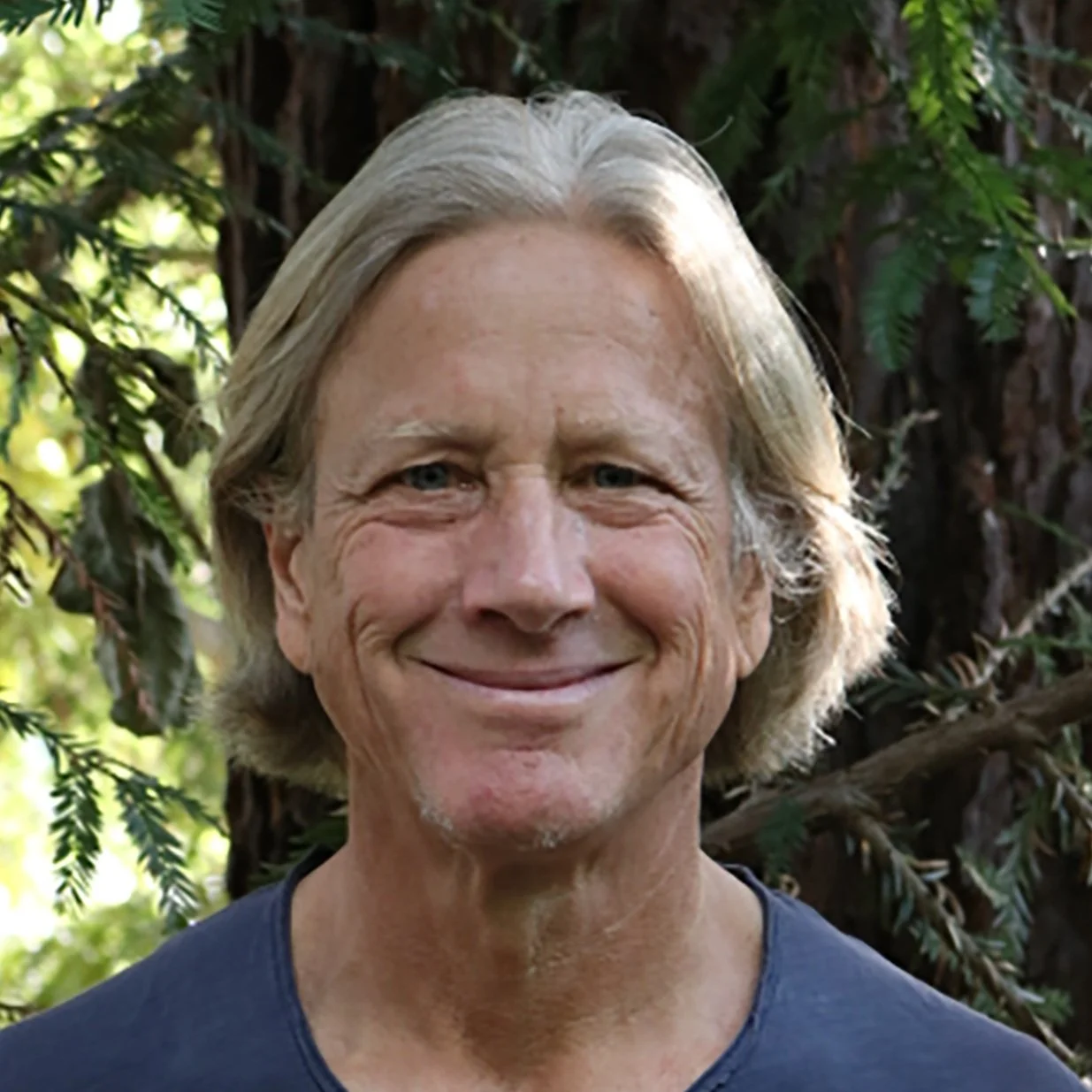
Dr. Keltner is one of the world’s foremost emotion scientists.
He is a professor of psychology at UC Berkeley and the director of the Greater Good Science Center. He has over 200 scientific publications and six books, including Born to Be Good, The Compassionate Instinct, and The Power Paradox. He has written for many popular outlets, from The New York Times to Slate. He was also the scientific advisor behind Pixar’s Inside Out, is involved with the education of health care providers and judges, and has consulted extensively for Google, Apple, and Pinterest, on issues related to emotion and well-being.
Dacher Keltner - UC Berkeley
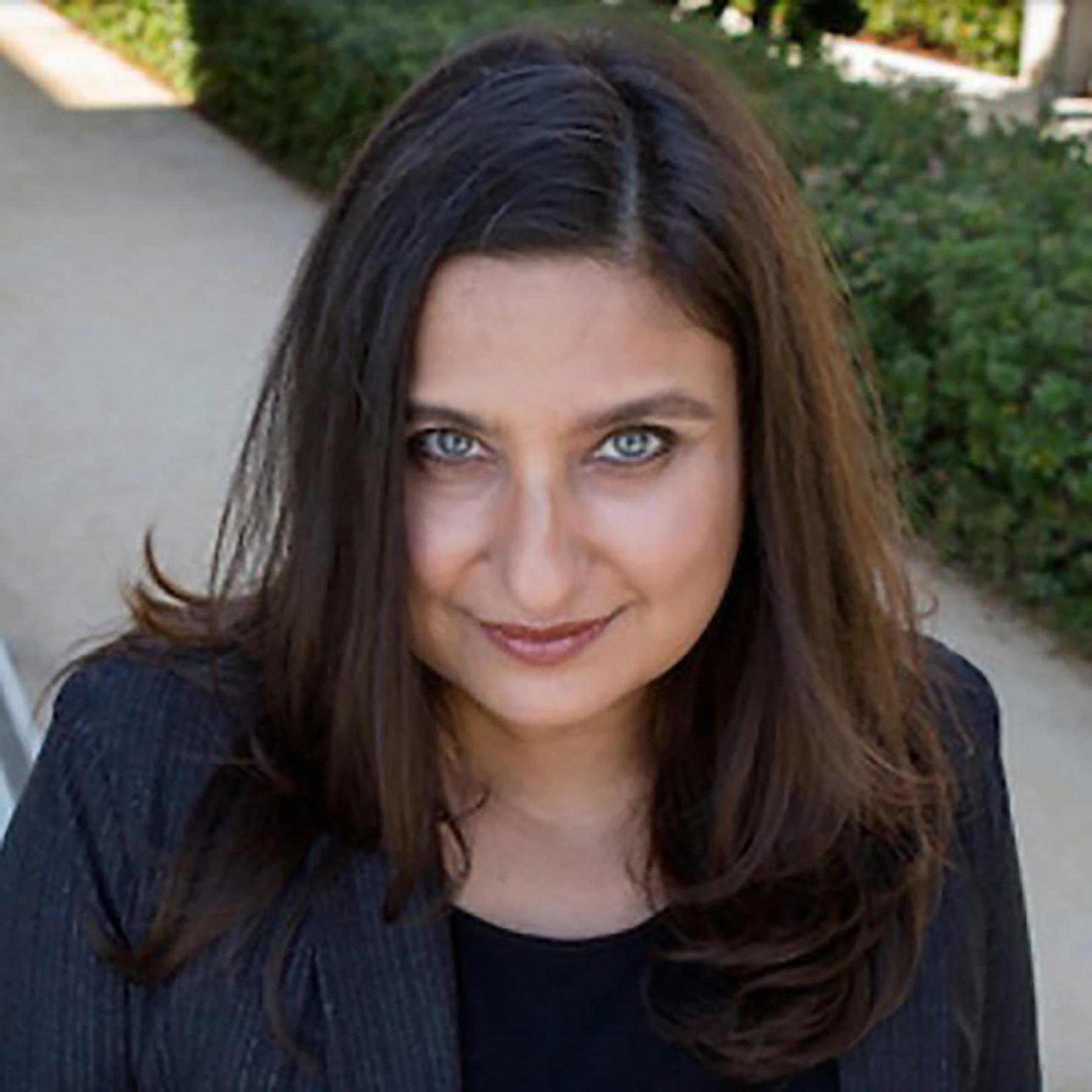
Divya Chander, MD, PhD is a physician, neuroscientist, neuroethicist, futurist, entrepreneur and global keynote speaker. She is a practicing anesthesiologist (formerly at Stanford University Department of Anesthesiology) with specializations in neuroanesthesia and expertise in trauma and critical care. She currently serves as Chair for Neuroscience at the Singularity Group, a Silicon Valley think tank for data and technology acceleration, applications, and ethics. Dr. Chander is part of the XPRIZE Brain Trusts for Health and Space domains, designing prizes that stimulate innovation to serve billions on the planet. As a member of the Stimson Center Loomis Innovation Council, and past Fellow at the Atlantic Council Geotech Center, she is collaborating with governments and global industry to foster good data and technology policy choices for key stakeholders around the world in the area of biometric data rights, data trusts, data security, public health, and pandemic resilience. She also serves as an Advisor to the Extended Reality Safety Initiative (XRSI) and is a member of the Medical XRSI Council. Dr. Chander's expertise in neural signal processing has led to her developing mind-reading algorithms to automate tracking of states of consciousness. Her research interests center around mapping consciousness, how consciousness will be altered by human augmentation, and how mapping consciousness in humans may enable us to recognize it in non-human, intelligent beings. Dr. Chander is founder and CEO of a digital, AI-based remote brain monitoring platform to detect brain failure and to support brain health. She serves as medical, science, and technology advisor and board member to a number of companies in the medical, space life sciences, and neurotechnology spaces. Dr. Chander is also passionate about space life sciences and medicine. A finalist for astronaut selection and an alumnus of the International Space University, Dr. Chander has performed remote simulations of trauma rescues, anesthesia and surgery in Mars analogue settings, and is designing habitats and medical spaces to support human space exploration and astronaut health.
Divya Chander - Lucidify
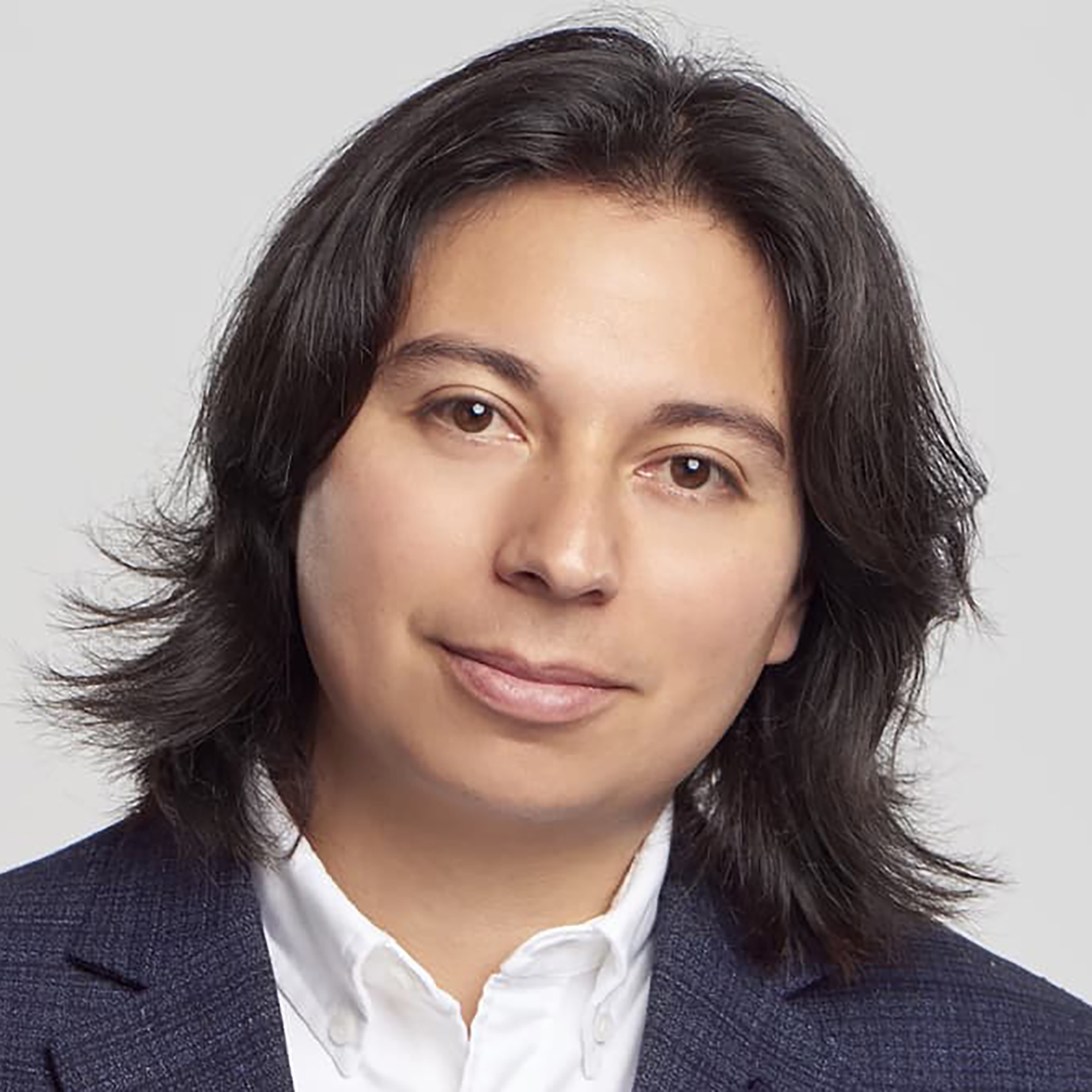
Dr. Alcaide is a neuroscientist, inventor and the CEO and founder of Neurable. As a researcher at the University of Michigan Direct Brain Interface Laboratory, he has worked extensively to develop brain-computer interface technology for people with amputations, severe cerebral palsy and amyotrophic lateral sclerosis.
Ramses Alcaide - Neurable
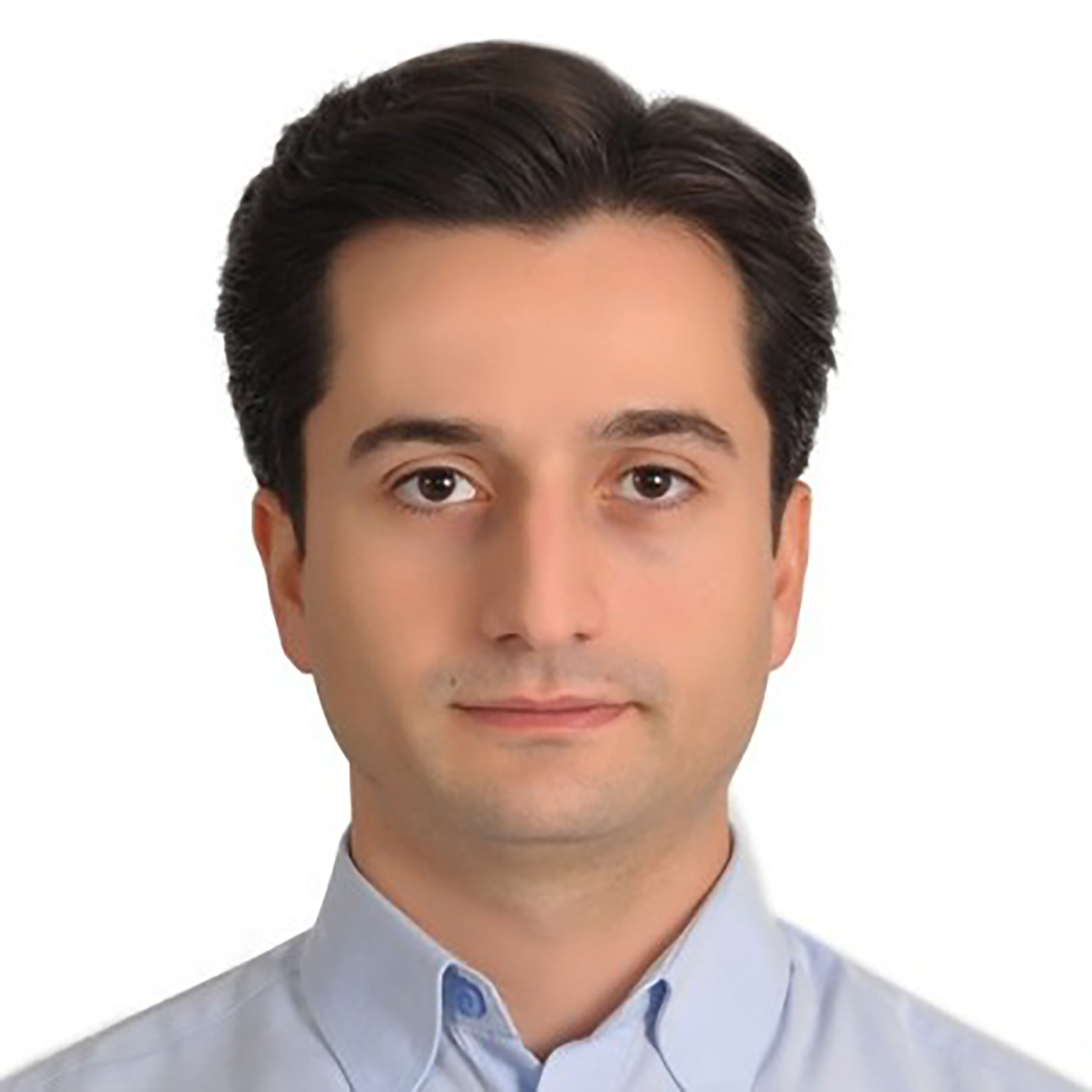
Omer Burak Ericek - Medicana
Health Group
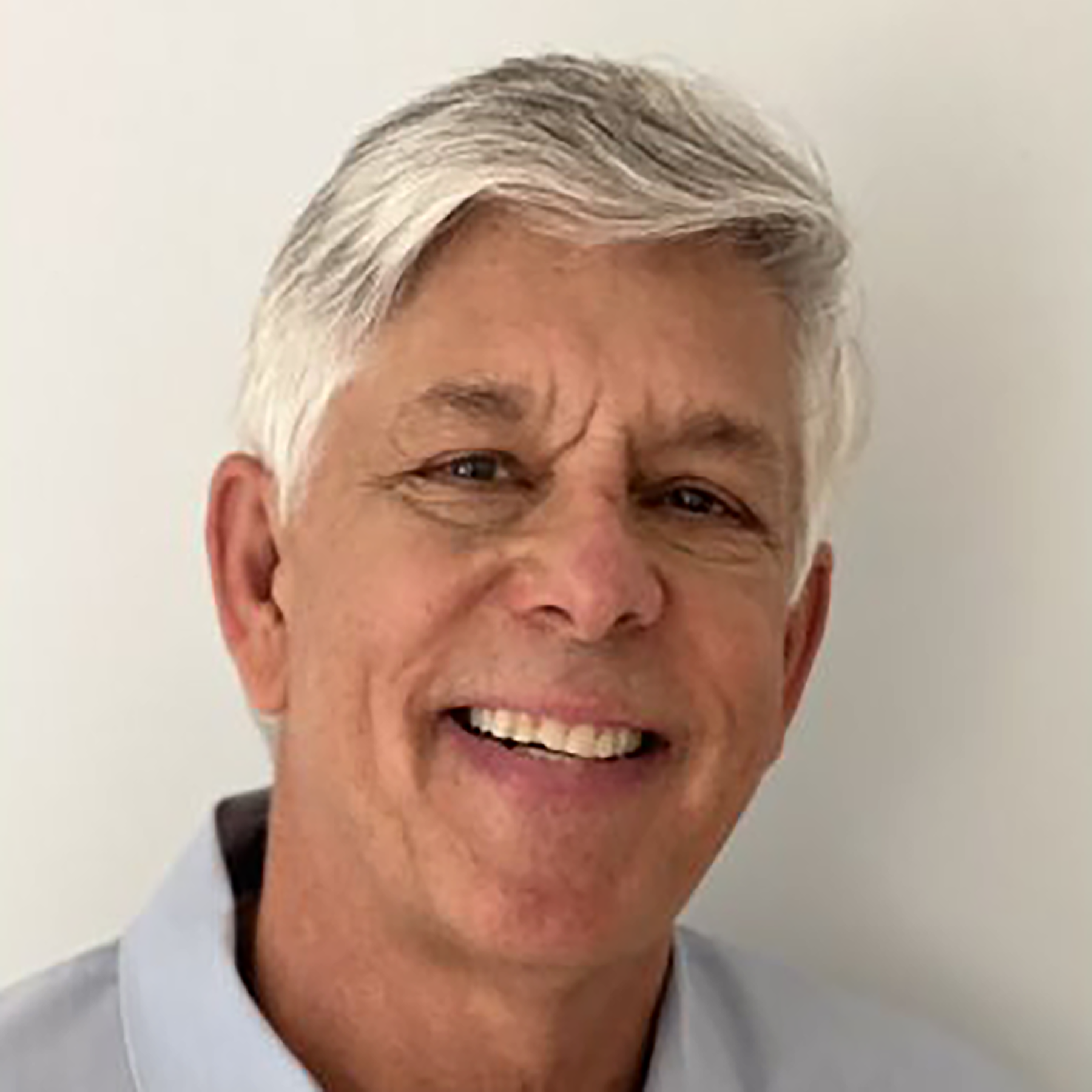
Steve Gullans - Thynk Inc
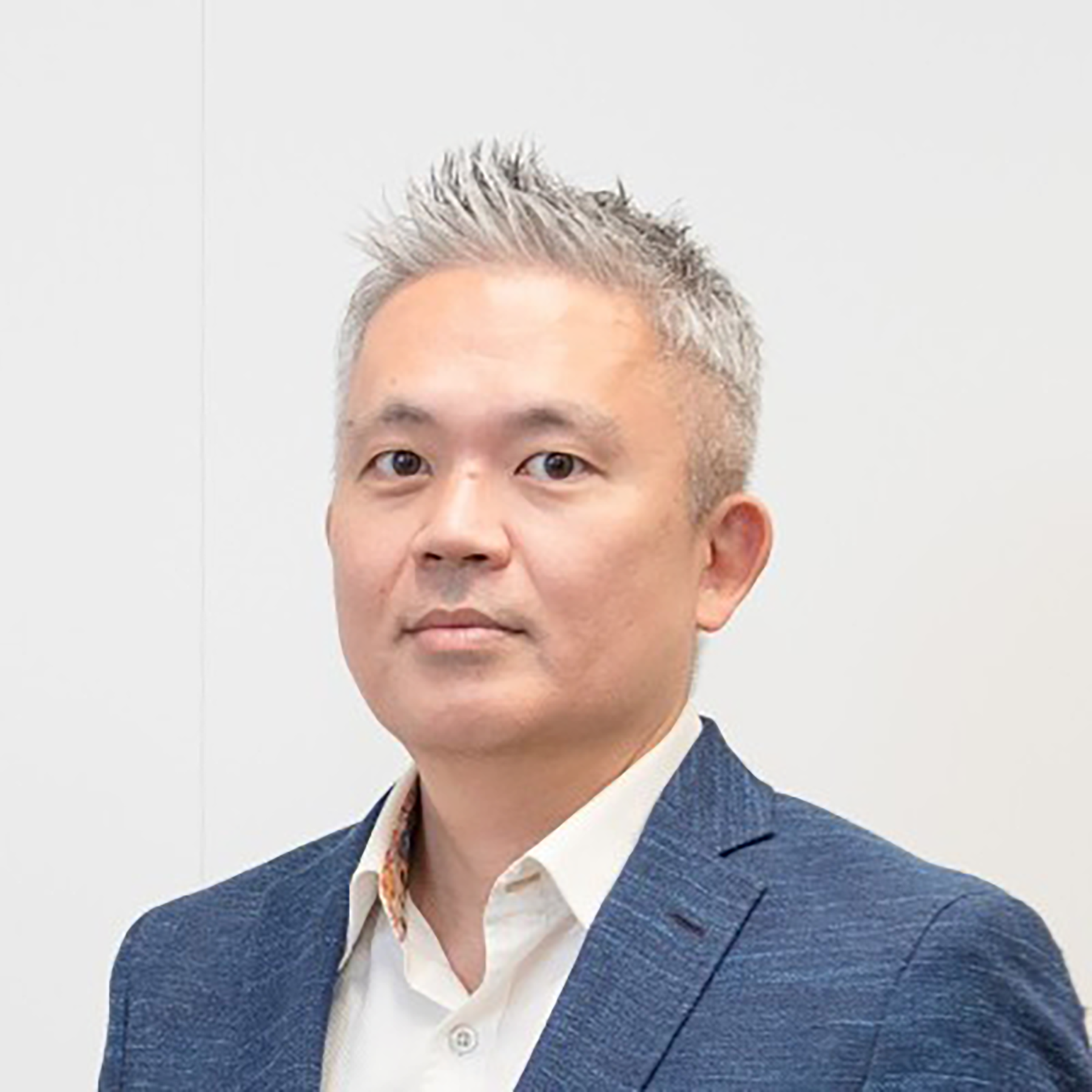
Neuroscientist and Experienced Chief Executive Officer with a demonstrated history of working in the Research industry. Skilled in Cognitive and Computational Neuroscience and Artificial Intelligence. PhD from Utrecht University, and trained at Caltech and UCL. Formerly Associate Professor (Reader) at the University of Sussex. Currently leading the JST CREST project on Artificial Consciousness (2015-present).
Ryota Kanai - ARAYA Inc.
Lightning Talk Speakers
Sri Sarma - John Hopkins
University
Bianca Jones Marlin - Columbia
University
Blaise Agüera y Arcas - Google
Astro Teller - X, the moonshot
factory
Yulia Kovas, TechnoTruth
Jay Sanguinetti - SanMai
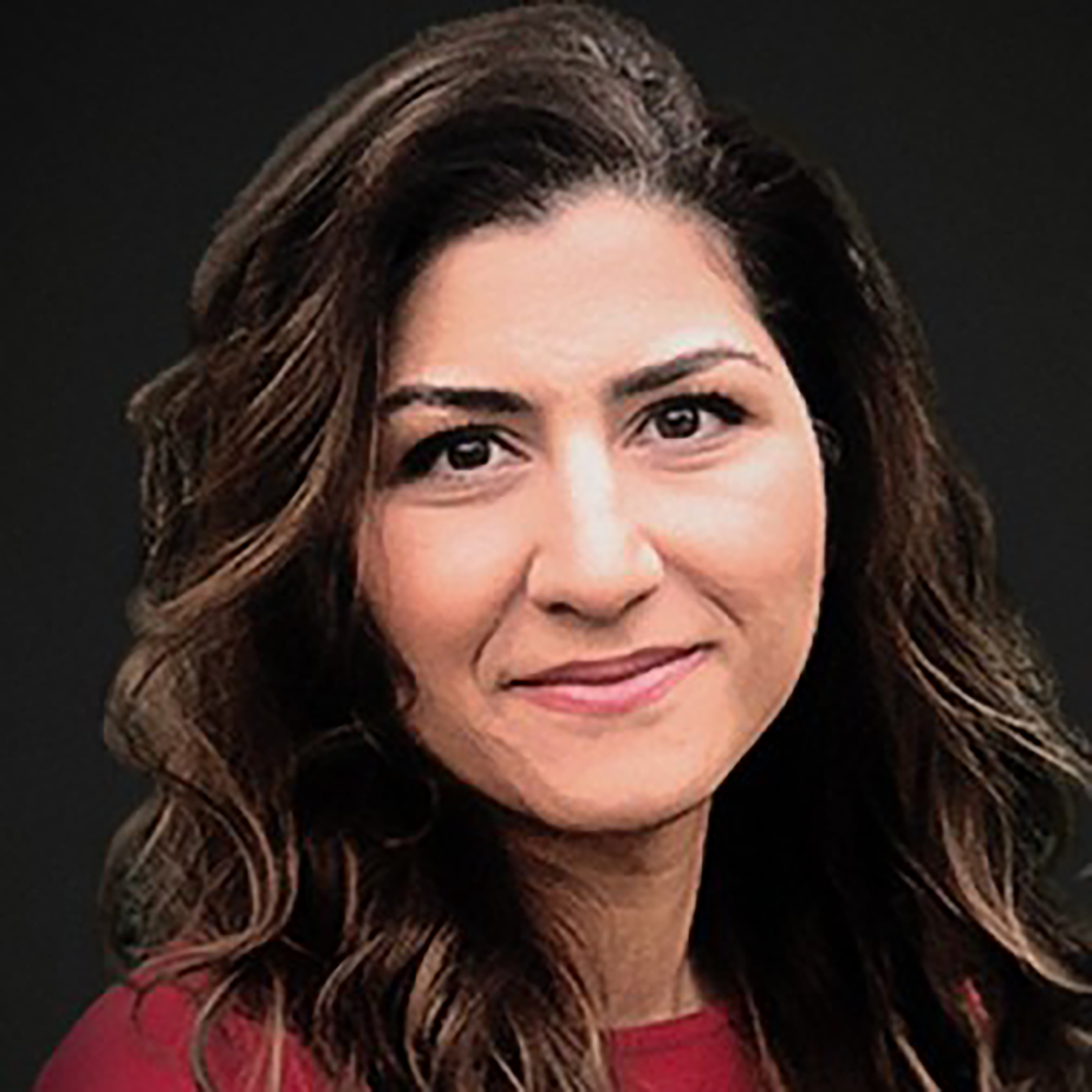
Maryam Shanechi - University of
Southern California
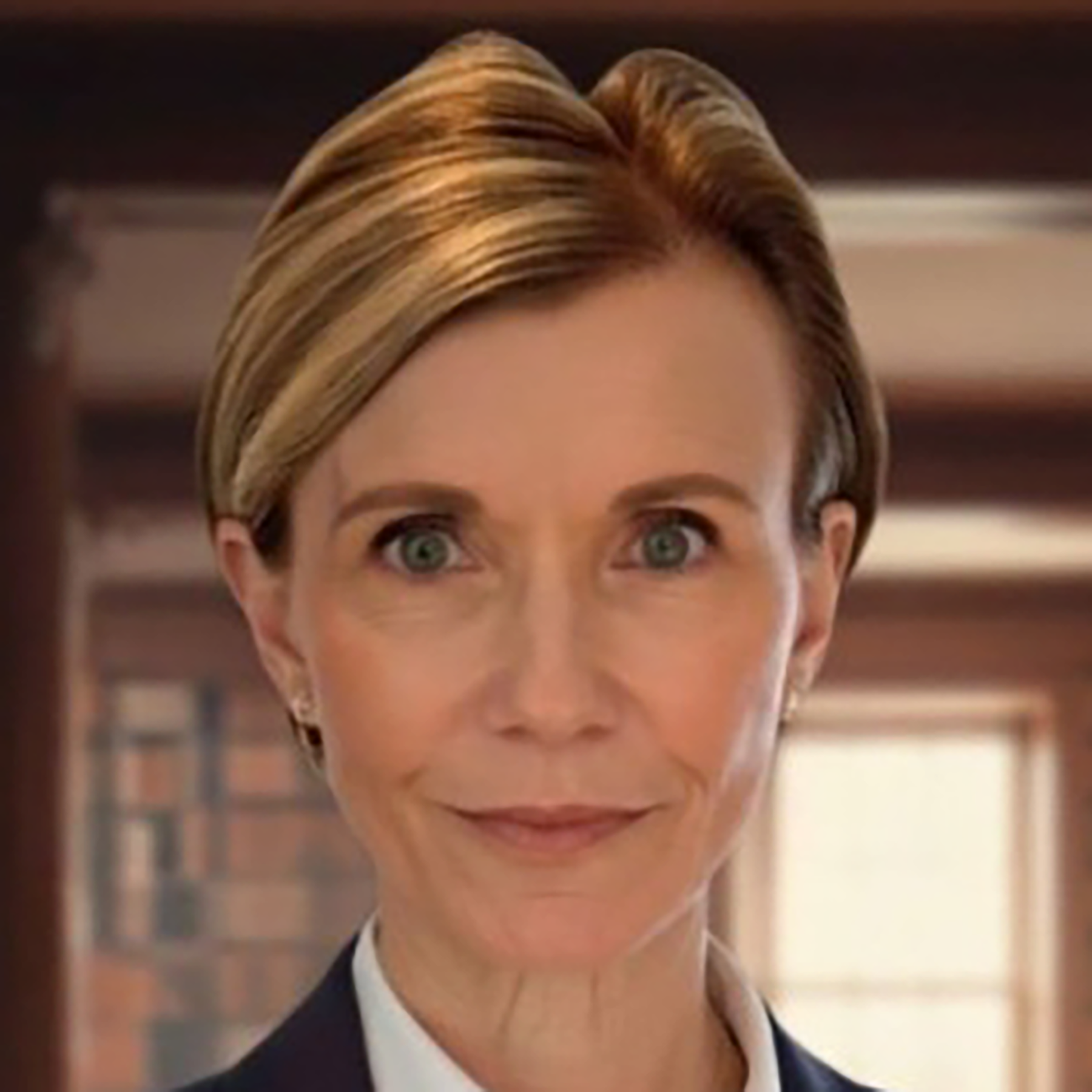
UCLA Health
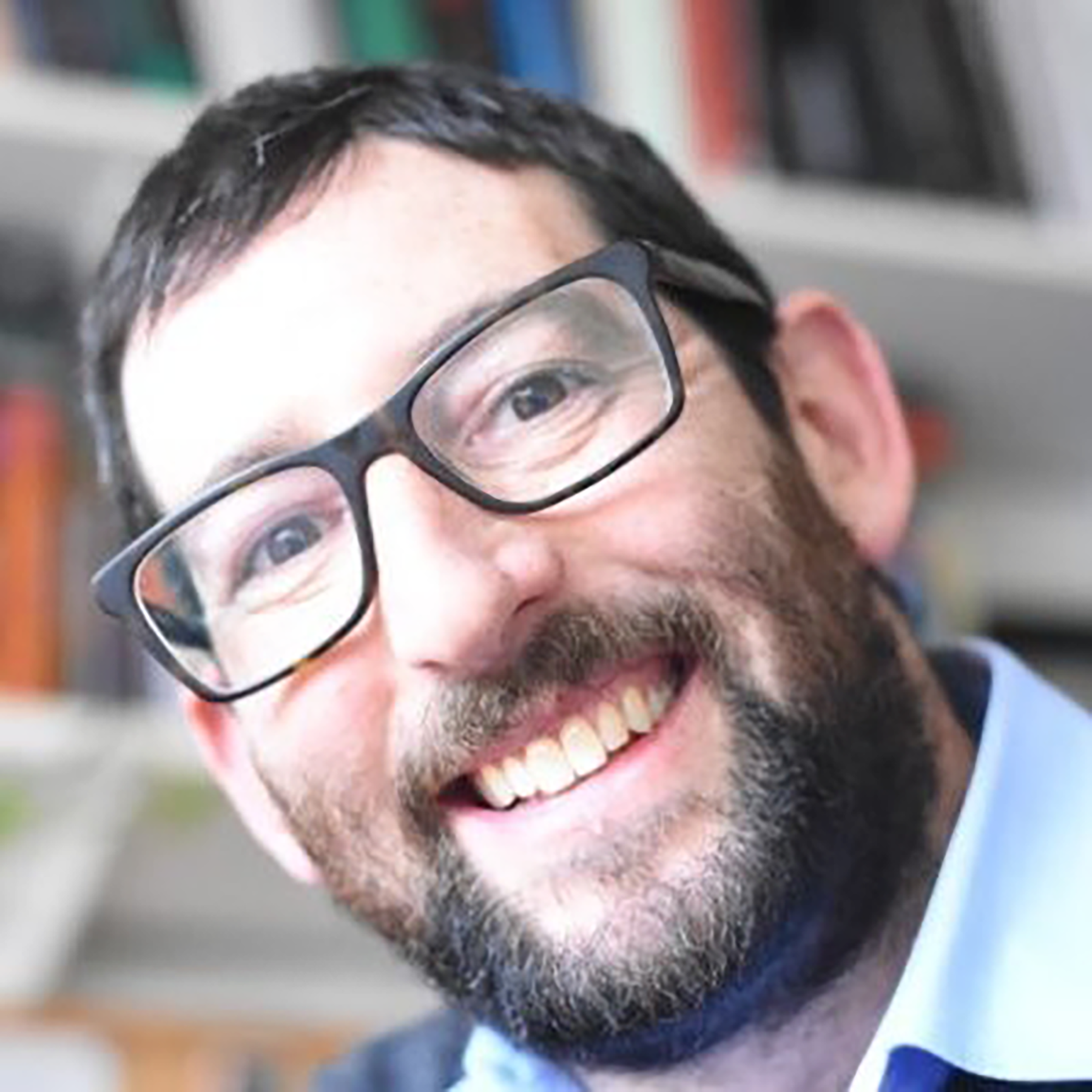
Dave Vago - Alethia Partners
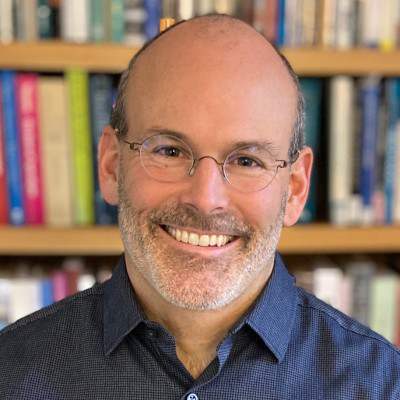
Jud Brewer, Mindshift Recovery
Uma Naidoo, Massachusetts
General Hospital
Helen Lavretsky - UCLA
Sean Batir - Amazon Web
Services
Dacher Keltner - University of
California, Berkley; Hume AI
Richard Isaacson, The Institute
for Neurodegenerative Diseases
Sergey Stavisky, UC Davis
Samvit Ramadurgam, Union
Christof Koch - Allen Institute,
Tiny Blue Dot Foundation
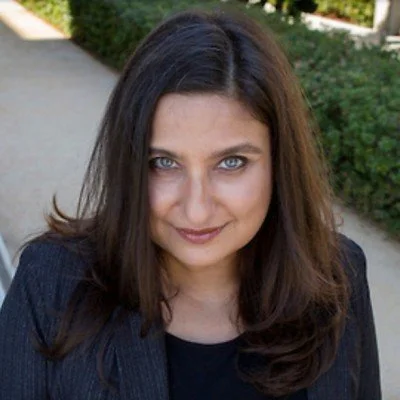
Divya Chander - Lucidify
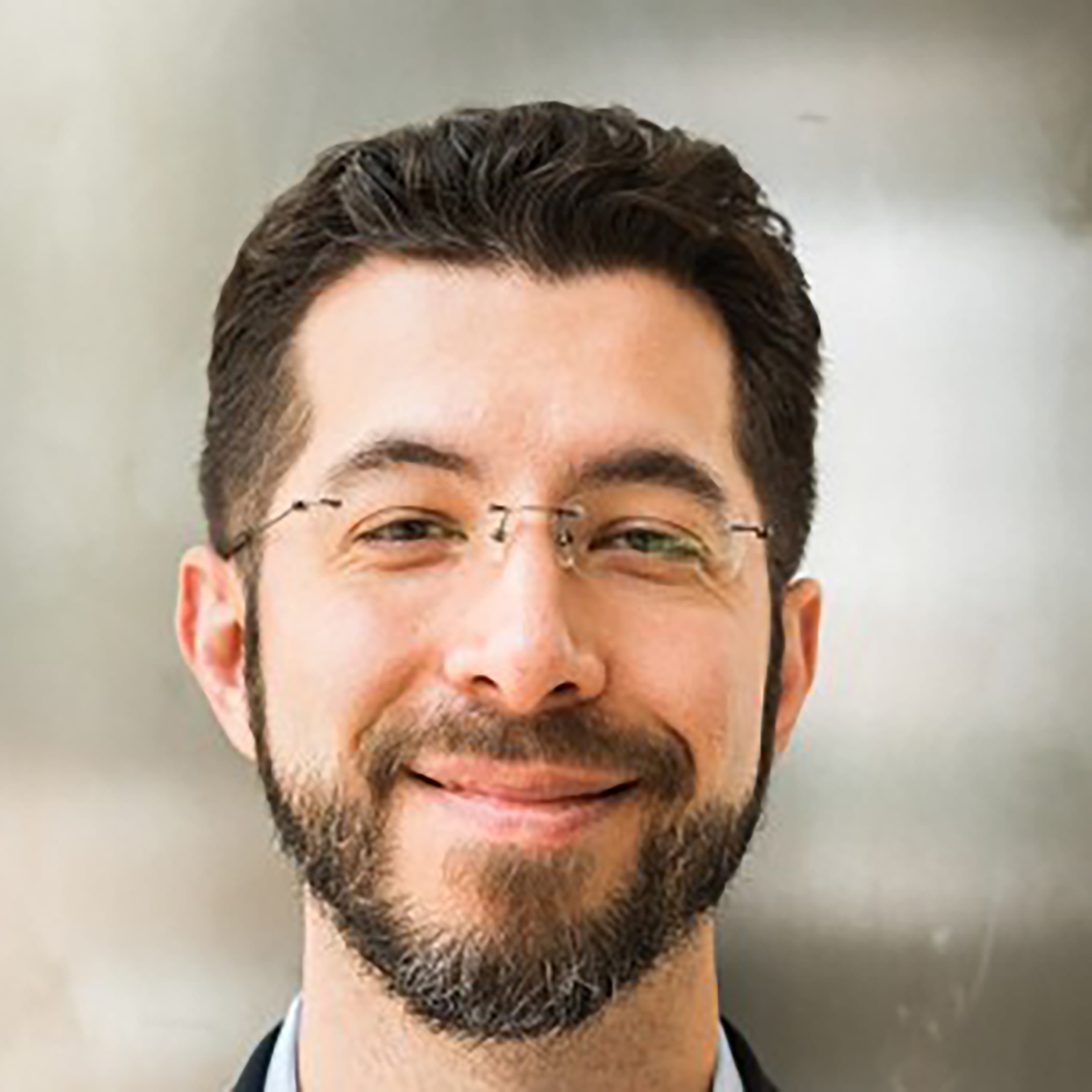
Ed Boyden - MIT
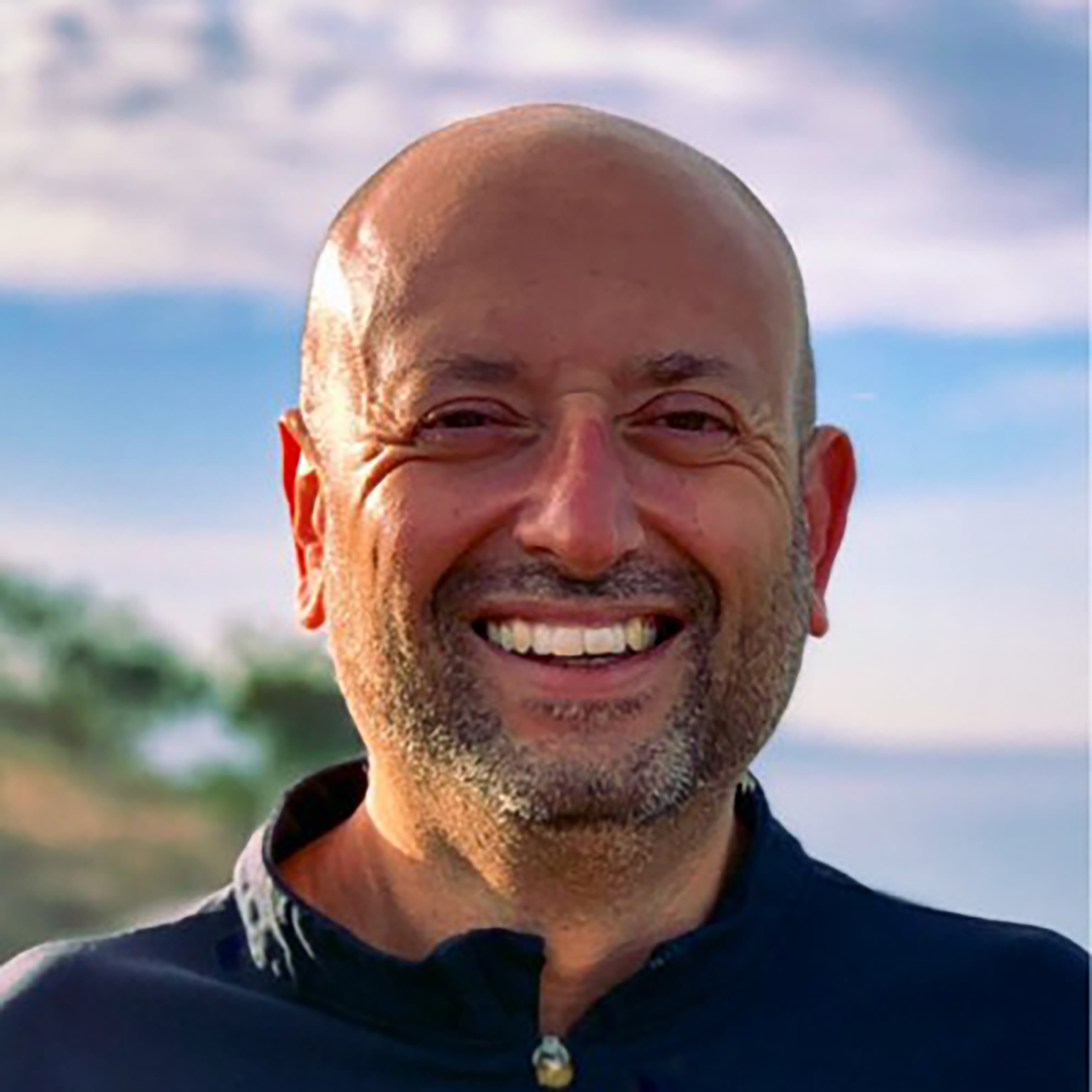
Fadel Zeidan, UC San Diego
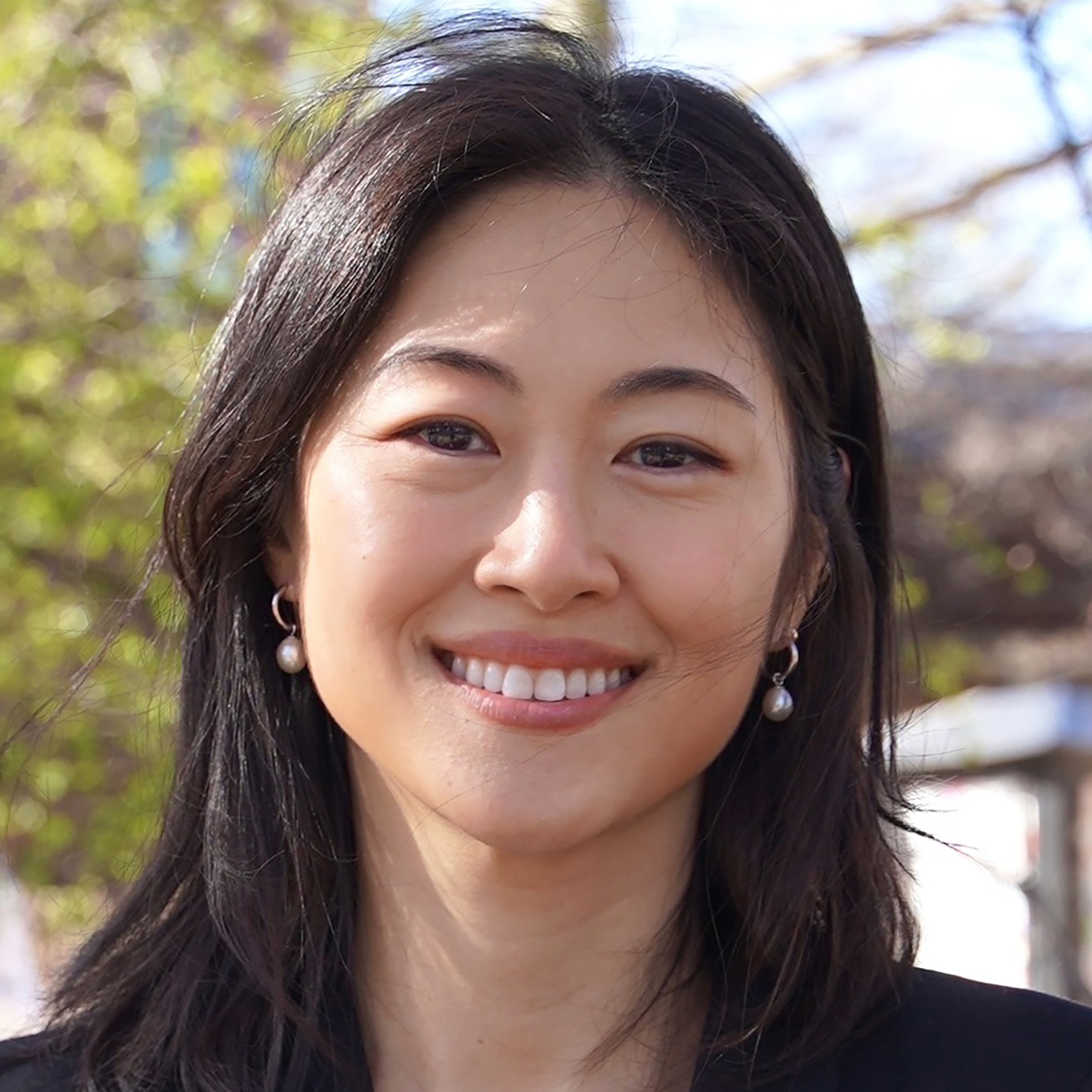
Yoona Kang, Rutgers
Agenda
BrainMind Science Collective 2025
Menlo Park + Mountain View
Thursday, March 20th, 2025 | Mountain View (precise location in calendar invitation)
BrainMind Startup Salon
(please note that registration is now closed for this pre-event)
2:00 PM Arrivals
3:00 PM NeuroAI Panel hosted by Protocol Labs and the Foresight Institute
Allison Duettmann, Foresight Institute
Sean Escola, Protocol Labs
Patrick Mineault, Amaranth Foundation
Ann Kennedy, Scripps
Dave Markowitz, STR
Chris Rozell, Georgia Tech
5:00 PM Rapidfire Pitches
Casey Halpern, SynchNeuro
Divya Chander, Lucidify
Omer Burak Ericek, Medicana Health Group
Deblina Sarkar, Nano-Cybernetic Biotrek Lab, MIT
Steve Gullans, Thynk Inc
Zach Lomis, Vantage
Gabriel Kreiman, Kreiman Lab, Harvard, Memorious
Ramses Alcaide, Neurable
Ryota Kanai, Japan Moonshot R&D Program
6:00 PM Dinner is Served
7:00 PM Five “Fire Pit” Discussions
Neurotech Funding: Transforming the Art of the Possible: John Ngai (moderator), Jacques Carolan, Amy Kruse, Justin Sanchez, David Markowitz
Foundation Models of the Brain, Digital Twins, and NeuroAI: Andreas Tolias, Gabriel Kreiman, Talmo Pereira
Wandering Minds to AI Creativity: Arnaud Delorme, Jonathan Schooler
Epigenetics, Parenting, and AI: Bianca Jones Marlin, Sará King, Jennifer Gentile
Psychedelics: What’s Now and What’s Next?: Khaliya, Michael Brotherton
9:00 PM Soft close
Friday, March 21st, 2025
BrainMind Science Collective Pre-Events (optional) | Michael’s Home, 2505 Alpine Road, Menlo Park
9:30 AM Group Mind Training Session and Bonus Breakout
Metacognition Workshop: Dustin Diperna
Frontiers of BCI and Neuromodulation: Jay Sanguinetti et al
12:00 PM Lunch
12:30 PM Special Topic Deep Dives
Is Physicalism Adequate to Explain Consciousness?: Heather Berlin and Christof Koch
Music, Brain and Health: The Science of Emotional Experiences in Three Acts: Daniel Levitin and Indre Viskontas
2:15 PM Musical Interlude, Arsha Kaviani
2:30 PM Special Topic Deep Dives + First Shuttle to the Ameswell Hotel
Perspectives on Contemplative Science: Promise, Perils, and Shared Commitments: Jud Brewer and Clifford Saron
The Future of Alzheimer’s and Neurodegenerative Disease Prevention: Richard Isaacson and Psyche Loui
Neuroscience through the Lens of Evolution: Paul Cisek, Tony Zador, Max Bennett
4:30 PM Shuttles to the Ameswell Hotel
BrainMind Science Collective Opening Reception (must attend!) | Ameswell Hotel, 800 Moffett Blvd, Mountain View
5:00 PM Welcome
5:30 PM Musical Immersion, Keynotes from Dacher Keltner and Ed Boyden
6:45 PM BrainMind Science Collective Round Robin Kick-off
7:15 PM Dinner + Collective Schedule Creation
Saturday, March 22nd, 2025 | Mountain View - X, the moonshot factory (precise location in calendar invitation)
BrainMind Science Collective
7:45, 7:55, 8:15 AM: Shuttles from hotel to X
8:00 AM Breakfast
8:45 AM Musical Immersion, Brainstorms
9:00 AM Welcome + AM Lightning Talks
10:25 AM Break
11:00 AM Session 1
12:00 PM Session 2
1:00 PM Lunch
2:30 PM Session 3
3:30 PM Session 4
4:30 PM Break
5:00 PM Musical Immersion, Indre Viskontas and Brainstorms
5:15 PM PM Lightning Talks
6:00 PM Reception, Dinner
8:00 PM Music, Revelry, Vibes, Arsha Kaviani
9:00 PM Shuttles every 30 min back to Hotel
Sunday, March 23rd, 2025 | Mountain View - X, the moonshot factory (precise location in calendar invitation)
BrainMind Science Collective
7:45, 7:55, 8:15 AM: Shuttles from hotel to X
8:00 AM Breakfast
8:45 AM Musical Immersion, Brainstorms
9:00 AM Recap + AM Lightning Talks
10:25 AM Break
11:00 AM Session 1
12:00 PM Session 2
1:00 PM Lunch
2:30 PM Session 3
3:30 PM Session 4
4:30 PM Musical Immersion, Stephen Spies and Brainstorms, BrainMind Moments
5:00 PM Closing Reception

Friday Pre-Event Deep Dive Discussions
Is Physicalism Adequate to Explain Consciousness?

Heather Berlin, PhD, Professor, Icahn School of medicine at Mount Sinai

Christof Koch, PhD, Chief Scientist, Tiny Blue Dot Foundation / Allen Institute / Intrinsic Powers
Perspectives on Contemplative Science: Promise, Perils, and Shared Commitments

Jud Brewer, PhD, Professor, Co-founder, Brown University, MindshiftRecovery

Clifford Saron, PhD, Research Scientist, Center for Mind and Brain, University of California at Davis
Music, Brain and Health: The Science of Emotional Experiences in Three Acts:
Indre Viskontas, PhD, MM, Associate Professor, CSO, USF, Reverberations

Daniel Levitin, PhD, James McGill Professor, McGill University
Neuroscience from the Lens of Evolution: Paul Cisek

Paul Cisek, PhD, University of Montreal, Professor

Tony Zador, MD PhD, Professor of Neuroscience, Cold Spring Harbor Laboratory

Max Bennett, Chief Product Officer & Cofounder, alby AI
Brain Health Deep Dive: The Future of Alzheimer’s and Neurodegenerative Disease Prevention

Richard Isaacson, MD, Preventive Neurologist, Institute for Neurodegenerative, Diseases, Florida, Director of Brain Health, The Atria Institute

Psyche Loui, PhD, Associate Professor of Creativity and Creative Practice, Northeastern University
Featured Artists

Ian Scarfe, Pianist

Edwin Huizinga, Violinist

Richard Warp, Composer
Movement and Somatics

Yana Nakhimova, PhD, Founder, CEO, Body Mind Method

William Spear, Founder, Second Response, Fortunate Blessings Foundation

Nichol Chase, Founder, Wisdom Building Method School
Previous Gatherings